

‘City of God’ is Immersive and Tragic
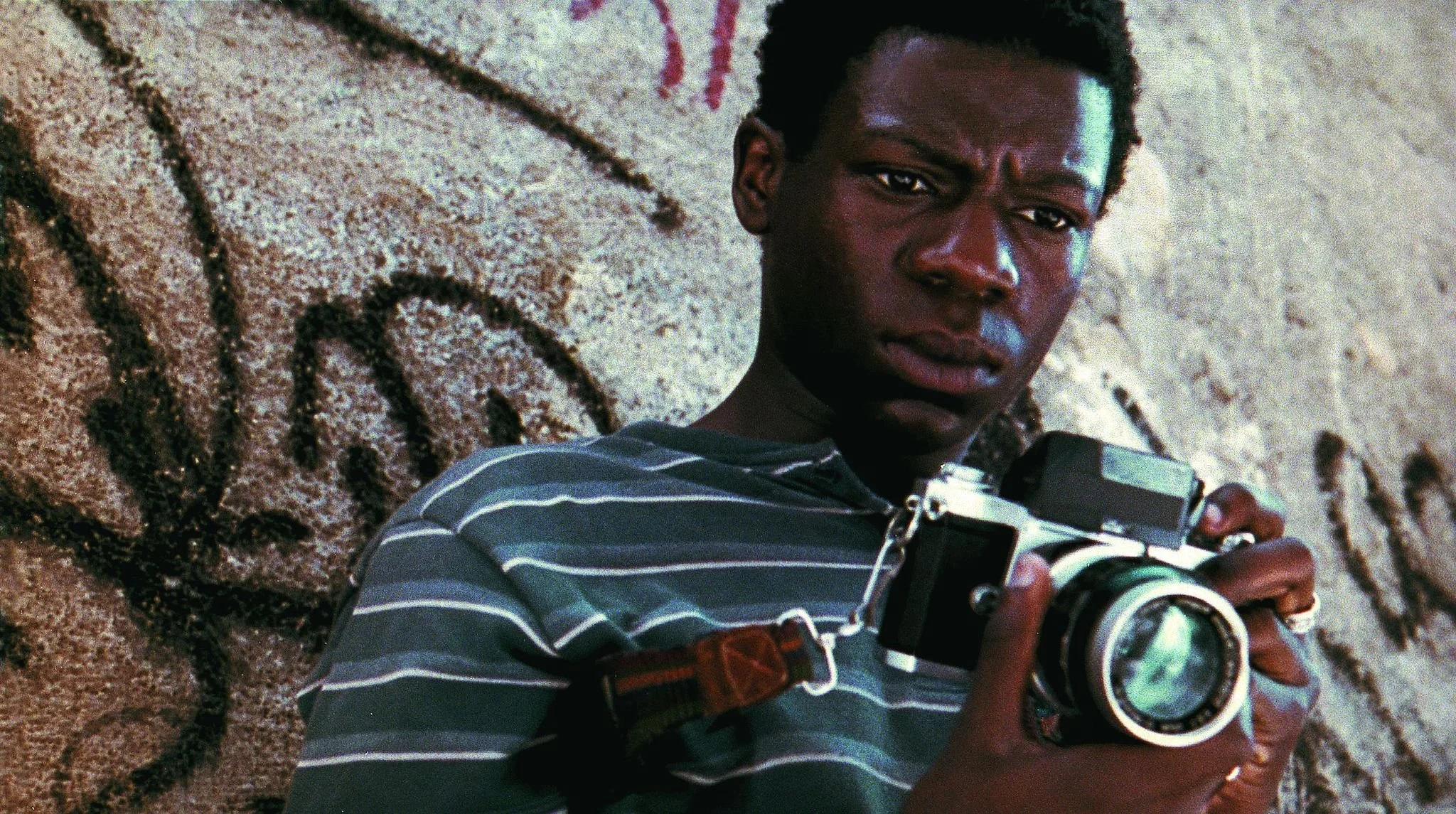
Alexandre Rodrigues in City of God | Credit: Miramax
City of God introduces us to Buscapé (Alexandre Rodrigues) (aka Rocket if you’re watching with English subtitles) as he seeks to navigate the difficulties of life in Cidade de Deus (City of God).
This film is incredibly immersive! You can’t help but feel like you are there with the characters, going through each of the twists and turns with them. The story is told from Buscapé’s perspective, jumping back in time as he gives the history of how they came to be in this situation.
Because of the structure of the screenplay, it feels as though Buscapé is taking you through moments and memories, recreating each one of them in painstaking detail for you.
The writing is so smart to include little nods to where the film is going, which creates intrigue. It’s as if the movie is inviting you to lean in and pay attention, because this is going to come up again later.
A great example of this foreshadowing is Mané Galinha (Seu Jorge) (aka Knockout Ned), who we first meet on the bus. Buscapé lets us know his name and that he was involved in a big fight… but we don’t get to know about that yet. I loved all of these little moments of foreshadowing to let us know where the film is going and what we can expect.
Another important detail that helps make this film immersive is the fact that everyone is constantly sweating in this film. It’s such a small detail, but these characters are living in Rio in homes without A/C or electricity… it would be hot there. And you feel that while watching the film. Everyone’s clothing is soaked, and there’s constant sweat on their brows, which adds to the realism of what we’re seeing. This film was not made in the comfort of a soundstage, and you can sense that from start to finish.
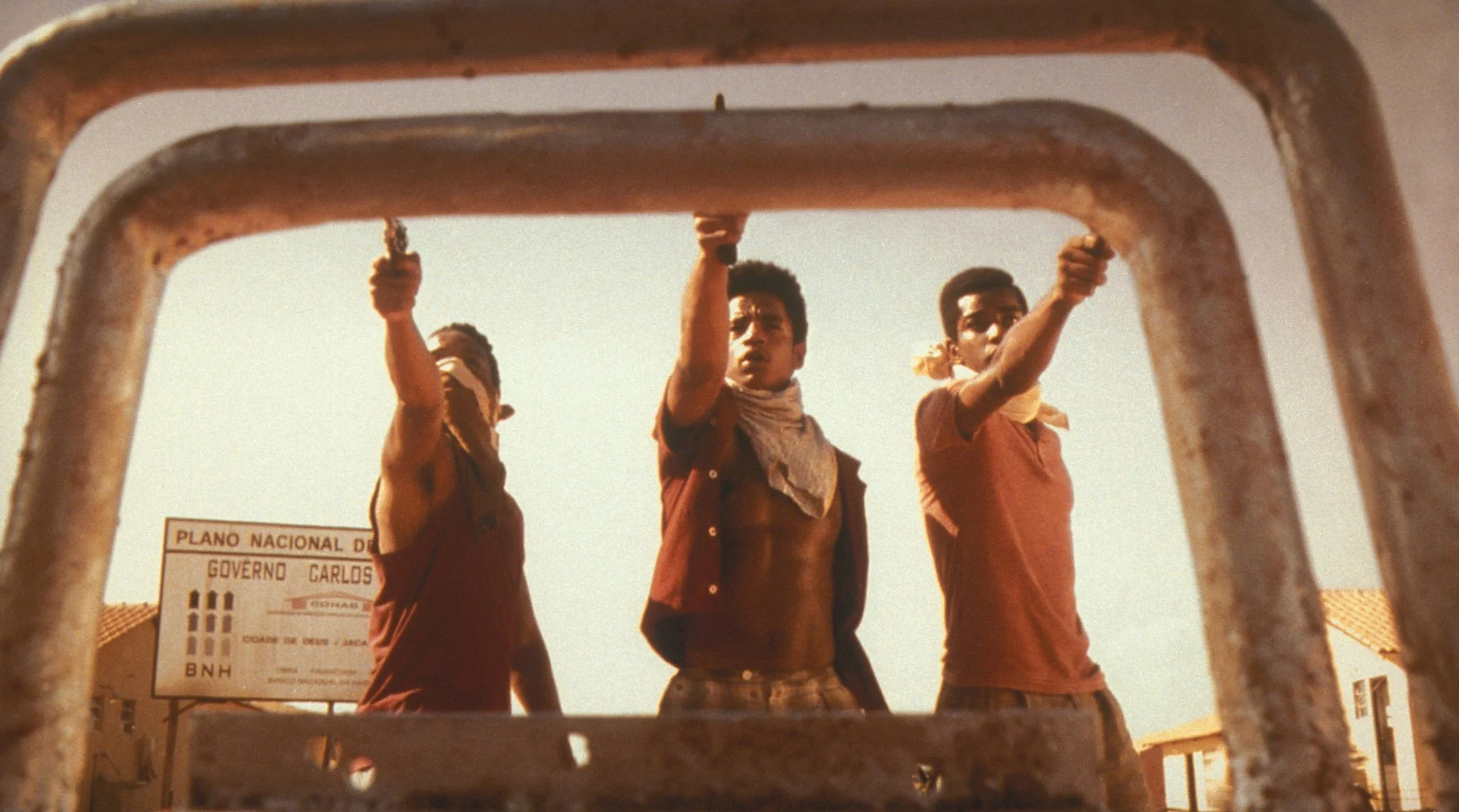
Jonathan Haagensen, Renato de Souza, and Jefechander Suplino in City of God | Credit: Miramax
City of God is a really heartbreaking film. Life is not easy for the residents of Cidade de Deus. They have been largely forgotten and forced to care for themselves. The police are corrupt, and there are limited opportunities available for people to make a better life or have any sort of upward mobility. We see how the gang activity begins as some teenagers hold up a gas truck and redistribute the resources among the other kids and families. Of course, they’re breaking the law, but you can understand why they have made that choice.
Over the course of the film, we are introduced to other characters who are more concerned with their own gain at the expense of the community. At first, Zé Pequeno (Leandro Firmino) (aka Li’l Zé) restores some order to the city. He leads a terrifying and harsh gang, but at least there’s some semblance of stability in Cidade de Deus.
But in a situation like this, even a semblance of peace doesn’t last for long.
We see how this gang and drug life completely consume the young men in this city. City of God does an excellent job of often showing us other sides of these boys and men before we see them fully immersed in the gang life. We meet Zé Pequeno when he’s just a child and can see his intelligence and cunning from a young age. We then see his bloodlust and his excitement at living this gangster life.
Mané Galinha is another great example. We see the horrific events that led him to walk down this destructive path, but he wasn’t always a gangster. He did well in school, was in the army, and had an ordinary job, but Zé Pequeno’s choices make Mané Galinha feel as though he has no choice but to join this life.
And, of course, there’s the constant highlighting of the children who are part of these gangs. They are involved with everything from drug distribution to even some acts of violence. It’s jarring to see these young kids holding guns and saying that they’re so tough—and that’s part of the point. Because Buscapé grew up in this, he’s a little desensitized to it, but we feel every one of these horrific events that happen. We feel the tragedy, not just of the decisions that the characters make, but the failures of the system that have led them to make these choices.

Douglas Silva in City of God | Credit: Miramax
City of God is a tremendous accomplishment! It is really well-structured as we walk through a few decades of life in Cidade de Deus. We are party to the joys that the residents experience as well as the tragedies and horrors that are a part of daily life. The cinematography brilliantly helps us feel as though we are in the room with these characters. And the writing is paced well as we travel through Buscapé’s childhood, revisiting consequential moments in his life.
The film is an absolute tragedy, but it’s a well-made look into the lives of the residents of Cidade de Deus. I’m going to be thinking about this film for quite a while, and I think it will become more and more tragic the more that I think about it.