

‘Wuthering Heights’ and The Difficulty of Adapting a Beloved Novel
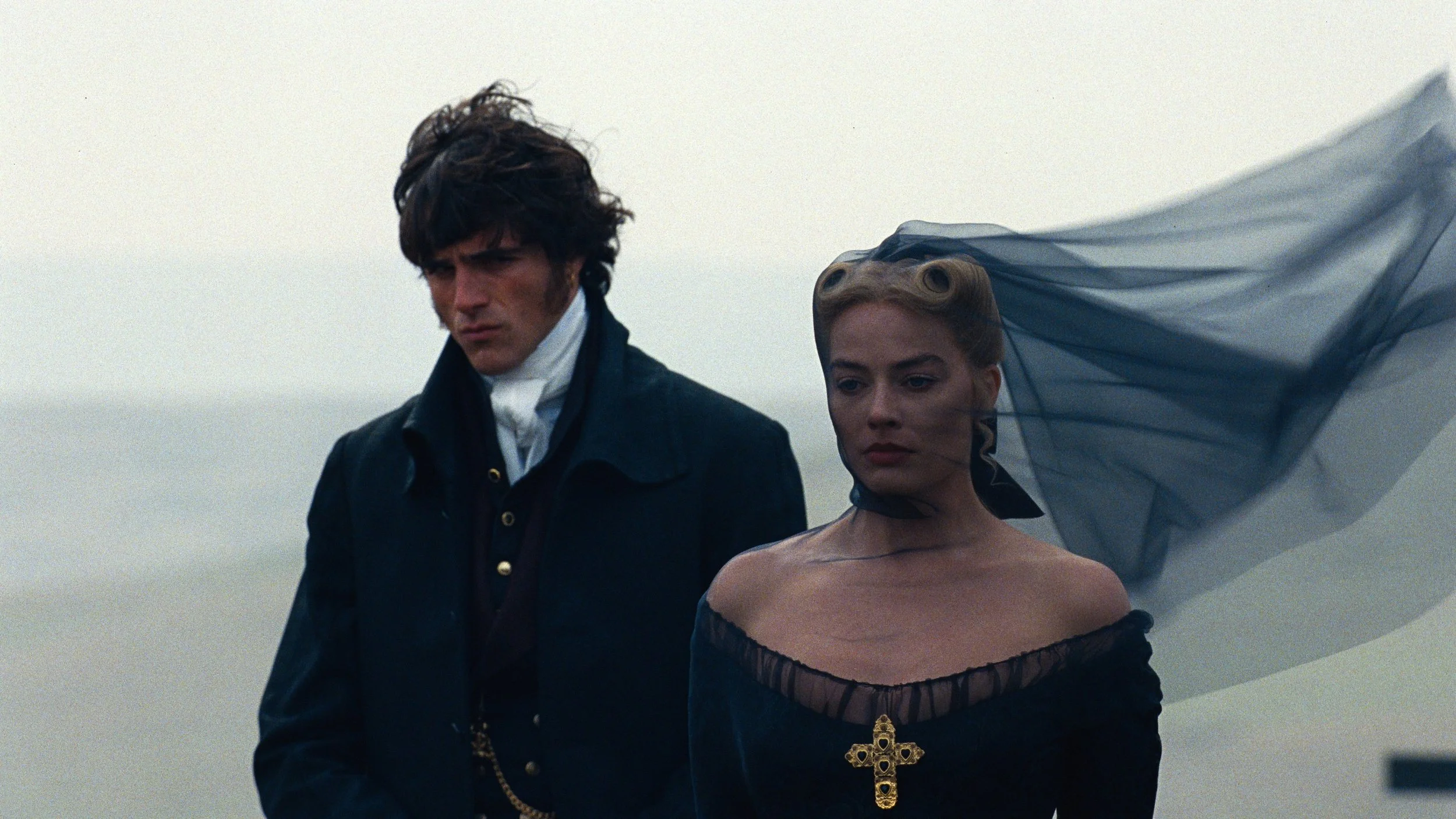
Jacob Elordi and Margot Robbie in Wuthering Heights | Credit: Warner Bros.
Adapting a novel is always difficult. It’s rare to find a case where the movie is better than the book. And the more beloved a book is, the more challenging it becomes to bring it to the big screen.
Because I have a fondness for the novel Wuthering Heights, I didn’t plan on seeing the new adaptation. Based on what I had seen and heard about the film, I knew I would be disappointed by it, so I was planning on skipping it. But a friend agreed to come onto Movies & Us to discuss it, so, of course, I had to go watch this film. And it was as I expected.
Knowing that this is Emerald Fennell’s interpretation of the novel, I tried to put the original novel out of my mind. I tried to come into this film with an open mind, going on this new, different journey than the one I have read many times. But even with that in mind, Wuthering Heights still didn’t work.
Let’s get into it…
Wuthering Heights follows the tortured love story of Cathy (Margot Robbie) and Heathcliff (Jacob Elordi), and the cruelty they inflict on each other and the people around them.
The best part of this film is the stunning visuals. The cinematography, set design, and costume design are absolutely fantastic! The contrast between Thrushcross Grange and the Earnshaw family home is stark, really highlighting this new world that Cathy has found herself in. The Lintons’ home is ornate and opulent. Each room looks different from the others, the colors are bright and beautiful, and there is always something interesting to behold.
As always, the composition of these shots is fantastic. There are so many moments that could easily be framed and hung on your walls. Fennell’s eye is unmatched, and it’s a joy to see what she’s created in theaters.
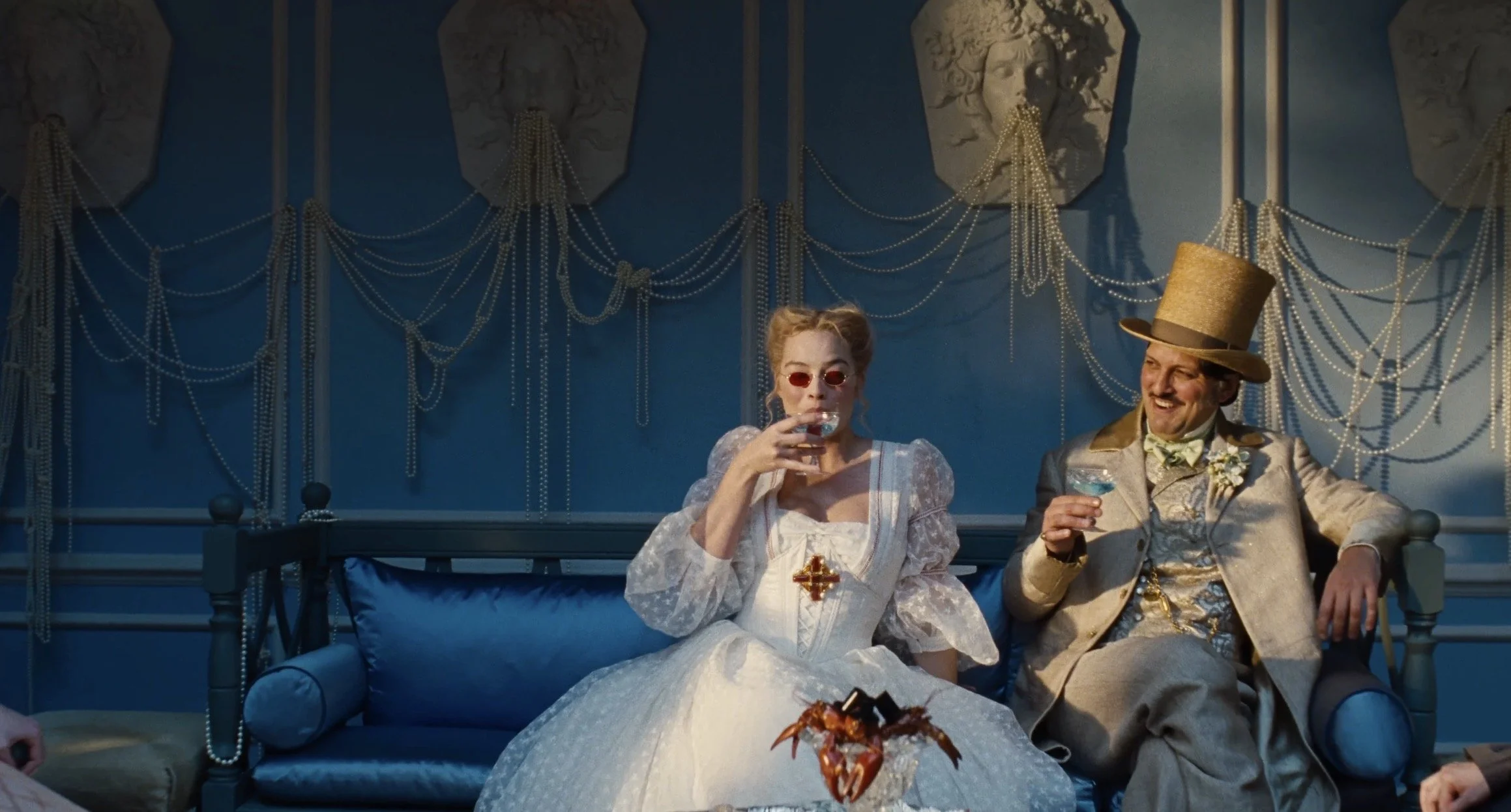
Margot Robbie and Shazad Latif in Wuthering Heights | Credit: Warner Bros.
For me, the weakest part of Wuthering Heights is the characters. The film only tells half the book, and even at that, many characters are eliminated that bring additional complexity to the novel itself. This means that we are left following Cathy (Catherine in the novel) and Heathcliff in all of their yearnings for each other.
While there are plenty of elements from the novel that are brought into the film—their selfishness, obsession with each other, their cruelty—there’s also something that’s missing. I’m not sure if it’s in the writing or the performances or both, but this is not a relationship that I found myself wanting to root for. These are two really toxic people who wreak havoc on each other and everyone around them. And the film wants us to celebrate this “love story.”
Because the film centers on the relationship between Cathy and Heathcliff, we miss some of the other dynamics that are present in the novel, especially some of the commentary on caste that is clear in the original text. It also sands down some of the most toxic and horrifying edges of both Catherine and Heathcliff that are present in the novel.
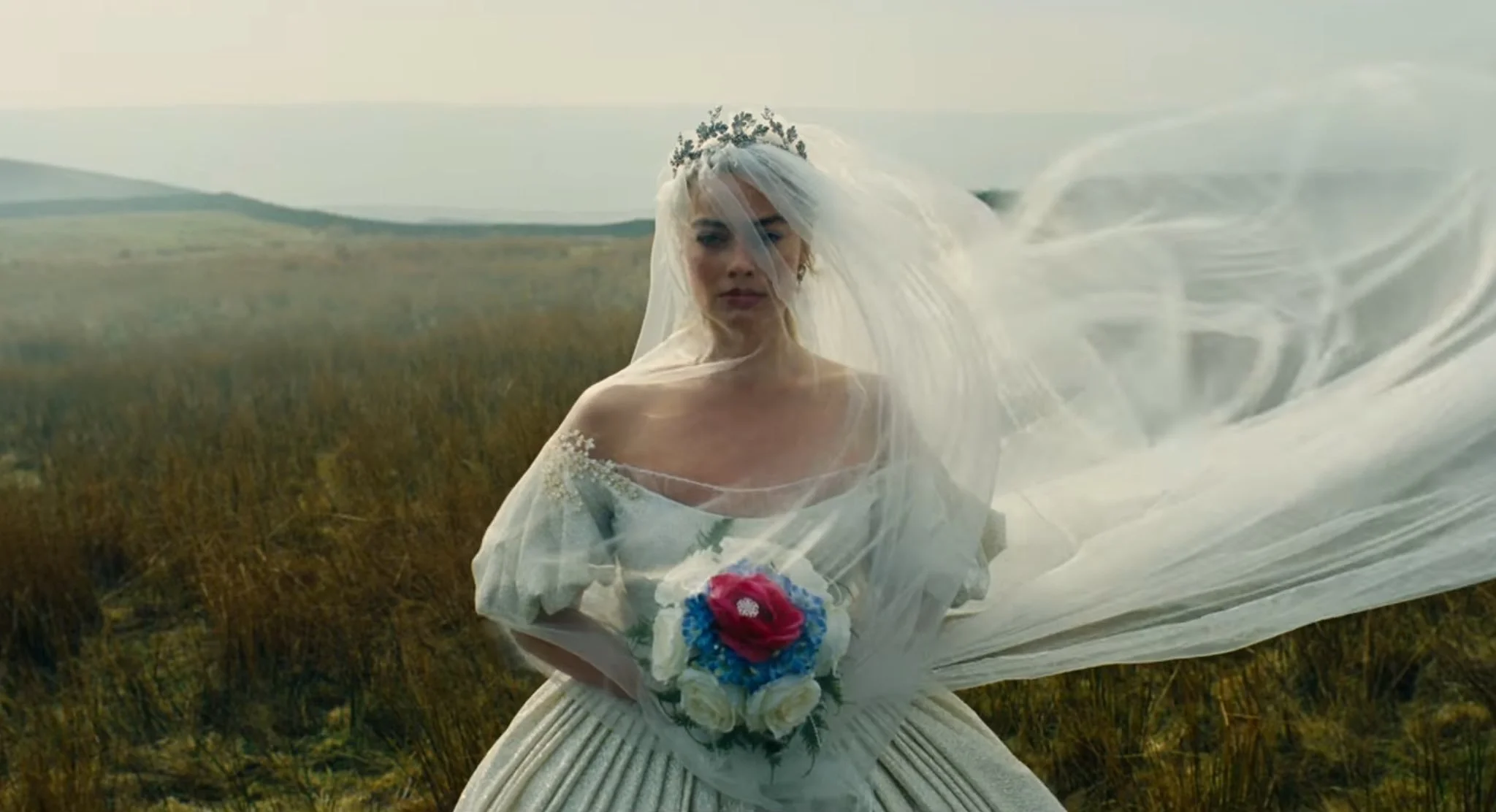
Margot Robbie in Wuthering Heights | Credit: Warner Bros.
If the movie Wuthering Heights is viewed on its own, as its own work, it’s an indulgent film with shallow characters with little to say. It’s a steamy film about two unlikable and insufferable people. And that can be a fun time.
If this film is viewed as an adaptation of the book, it’s a poor one that strips a lot of the deeper themes, meaning, and complexity from the original work. It removes the second half of the book, which deprives us of some of the interesting themes that are explored. While the characters in the film are similar enough to those in the book, it leaves you wanting more (and not in a good way).
Wuthering Heights takes the characters, some basic plot points, and the general vibes of the novel and puts them into an entirely different situation. Because it’s so difficult to adapt a novel to the big screen, I almost wish that Emerald Fennel had taken this story that she wanted to tell and made it her own. Remove the Catherine and Heathcliff of it all and create an original story with an original title, so that these comparisons wouldn’t constantly be made. While I still would’ve had problems with the film, especially from a character perspective, I think that may have been more effective.