

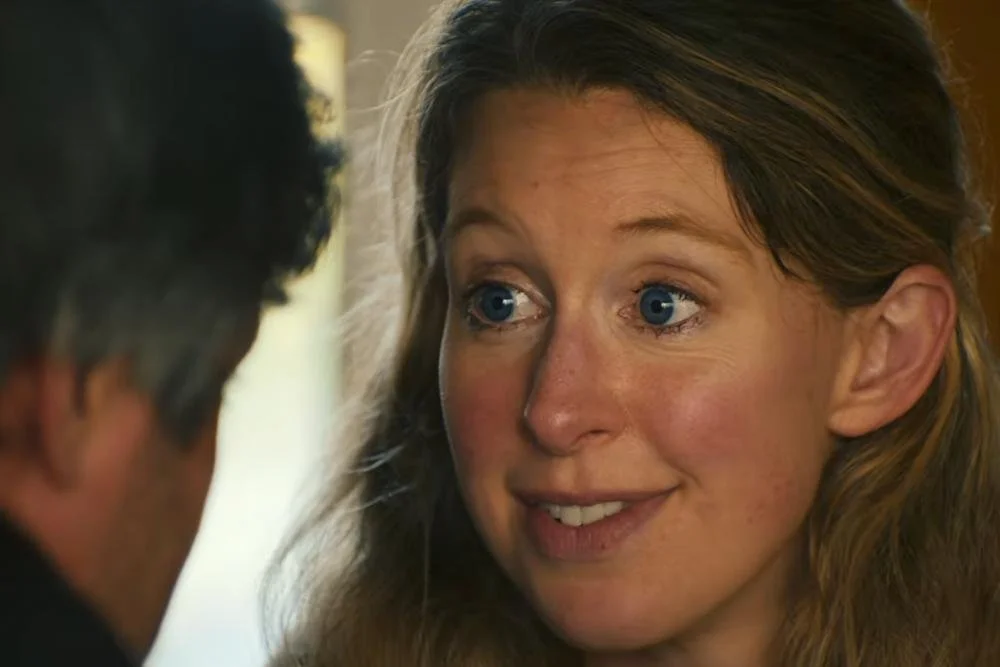
Elizabeth Holmes in You Can See Everything | Credit: A24
You Can See Everything follows Nathan Fielder as he spends time with Elizabeth Holmes and her partner, Billy Evans, in the days leading up to her prison sentence.
Even though I didn’t see this until weeks after its release, I had managed to avoid a lot of spoilers and was able to go into this film with very little information. And I highly recommend that. Just know that this film absolutely lives up to the hype—it’s an intriguing documentary filled with a number of twists and turns. It has so much to say about our world today and shines a light on many relevant topics. This is a film that begs to be discussed, so if you haven’t yet seen it, I highly recommend going to see it with a group of friends and making time to discuss it afterward.
While this will be a fun watch at home once it’s on streaming, there’s something cathartic about seeing this in a theater packed with other people. The laughs, the gasps, the tense moments are all more powerful when you’re able to share them with others. So, if you are able, this is one to see in theaters.
Next, I’m going to dive into some of the themes of the film, so if you haven’t yet seen You Can See Everything, don’t read on. Seriously… I don’t want to spoil this movie for you.
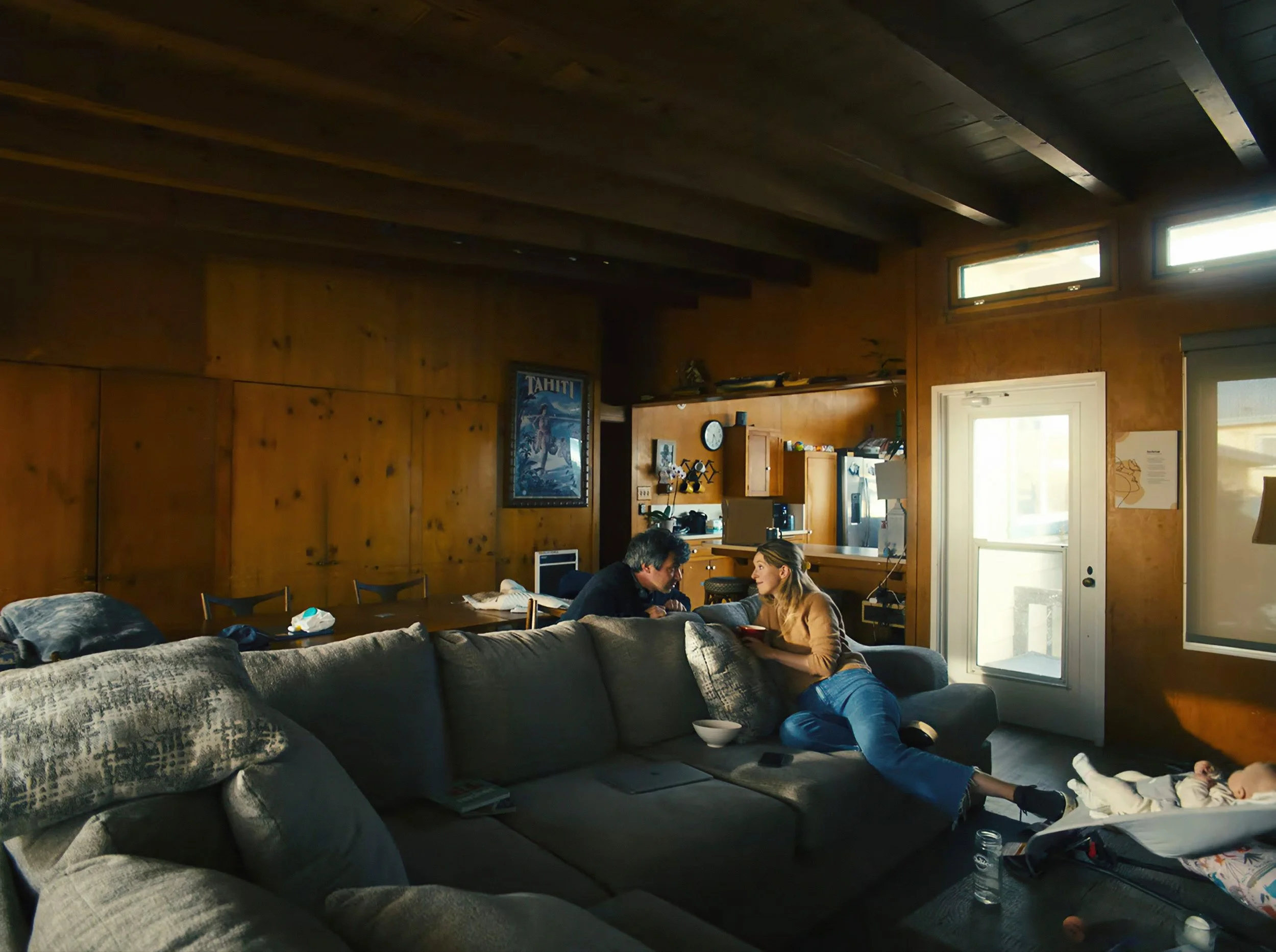
Nathan Fielder and Elizabeth Holmes in You Can See Everything | Credit: A24
There is so much packed into the three-hour-long documentary that it’s difficult to know where to begin. I think that’s part of the brilliance of this film—you can watch the same footage and notice things the person sitting next to you didn’t.
What I’ve been thinking about since the film ended is how much trust we as viewers place in films, TV shows, and, especially, documentaries. With movies and TV shows that are based on true events, we should take what we see on screen with a grain of salt. Even with meticulous research, some things will be different in a work of fiction. But with documentaries, we expect something closer to the truth. But who decides what that truth is?
In the recreation of the conversation between Billy Evans (played by Christopher Abbott), Nathan, Lance Oppenheim, and the A24 executives, Evans brings up how sometimes people are compensated for appearing in a documentary. He cites that Meghan Markle was paid by Netflix, to which the others around the table push back. They say that’s not a documentary. But to us, as the audience, that Netflix show is a documentary… Its genre is even listed as a documentary. But if the subjects of the film are compensated, how accurate can that be? But what if objective truth isn’t the goal of every film or show in the “documentary” genre?
Throughout the second half of the film, we see recreations of scenes that the team wasn’t able to film. This is a tried and true method of documentary filmmaking that is sometimes done well, and other times can be harmful. But seeing Nathan Fielder and Amanda Seyfried work through the scenes together, I think, highlights an important part of the documentary process—at every turn, creative choices are shaping the narrative. In this film, Nathan is trying his best to get it right because he does want to get to the truth. But is every documentary filmmaker going through such an arduous process?
A fascinating part of the documentary process is how close a filmmaker gets to their subjects. I read that initially Nathan wanted to remain behind the camera, but began being filmed too because Elizabeth and Billy kept talking to him while filming. While his inclusion makes for a really interesting aspect of this film, it also brings up questions around objectivity. It’s impossible to not get your heart and emotions involved in a project, especially when you’re spending so much time with your subject.
You Can See Everything effectively invites us into this conversation around what truth is and who gets to make that determination. In conversations between Nathan, Elizabeth, and Billy, we see how truth can be fluid. Everyone has “their truth,” which might be different than how someone else remembered it. We even see Nathan, as intentional and dedicated as his process is, change lines in a script because he may have misremembered. But because the cameras weren’t rolling, who’s to say what the truth of that encounter was?
In a film that claims that we can see everything, the more that you look, the more opaque everything becomes. This is a film that you could probably watch a dozen times and take something different away from it every time. And I think that’s what makes this really special.

Elizabeth Holmes in You Can See Everything | Credit: A24
Another fascinating part of You Can See Everything is that you don’t know who to believe at any given point. Is Elizabeth Holmes a master manipulator? Is she under the control of someone who is very charming? Is it somewhere in between? Or, perhaps, something else entirely? We don’t know, and we may never know with complete certainty.
But one of the most sinister threads of the film is how Billy interacts with Elizabeth. From that moment with the eggs early in the film, you know exactly what the power dynamic is between these two. There might very well be genuine love and affection shared, but there is also control.
This behavior, of course, shows up in the ways that he seeks to shape the narrative and even speak on her behalf, without her knowing. Nathan and Amanda realize that Billy is saying and writing things as Elizabeth that sound nothing like her. And there’s nothing that can be done about it. He has taken her voice.
This moment in the film is horrifying and is something that many women experience to some degree in their lives with their own partners. But it also speaks to the way that people in prison are silenced and erased. If they’re fortunate, their family members can come visit them or talk with them on the phone or through email, but even those options are reserved for the most privileged. Visiting, calling, and emailing all cost money, which people like Billy and Elizabeth have, but so many others simply do not.
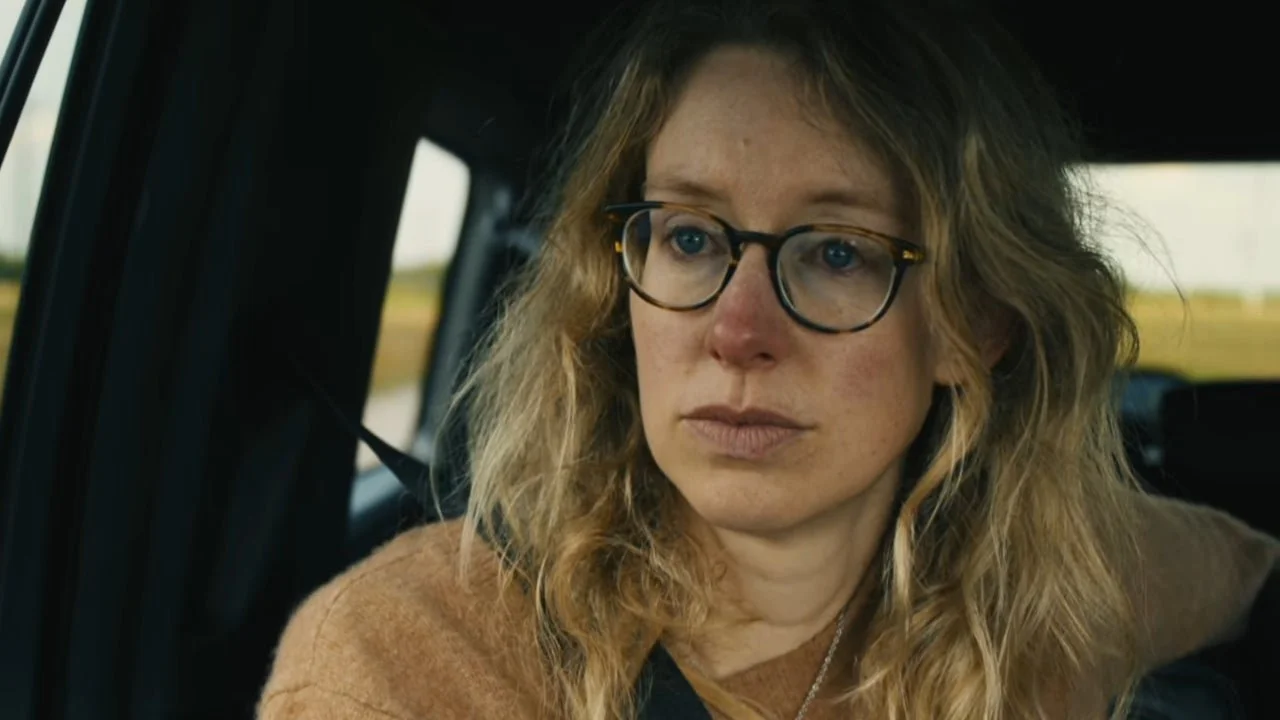
Elizabeth Holmes in You Can See Everything | Credit: A24
You Can See Everything is a fantastic film that leaves you with more questions than answers in a really great way. It’s one that you aren’t able to stop thinking about when it’s over and cannot wait to discuss with others who have seen it. There’s so much to this film that I’m sure every person watching will have walked away with their own unique insights from it.
Nathan Fielder, Lance Oppenheim, and the entire team have created something truly unique. I know this film is getting a lot of buzz now, but I hope that it will be rewarded as we get into awards season. This documentary is doing something special, and it’s one that I look forward to watching again.